Digital Marketing Services for Higher Sales Online
Businesses often see better results when digital marketing services are matched to a clear sales goal, such as more qualified leads, higher cart value, or repeat purchases.
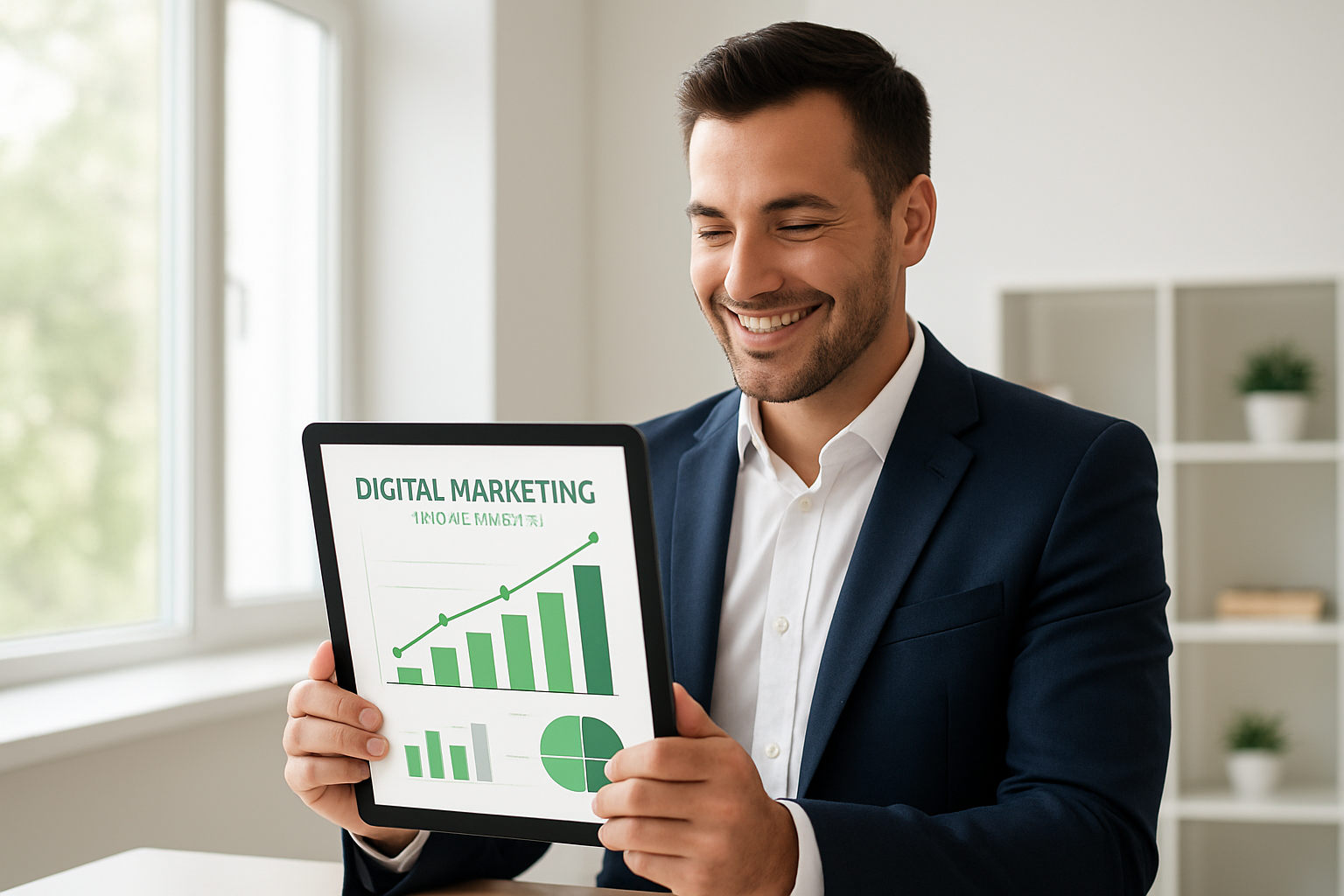
The right mix usually includes paid ads, content, email follow-up, and landing page improvements that work together instead of in isolation.
Discover how paid traffic fuels sales growth, enhances SEO, and raises eCPM
See how paid ads drive customer acquisition, improve SEO, and maximize eCPM
Find out how Facebook Ads promote your brand, strengthen SEO, and lift eCPM
Before hiring a provider, compare what is included, how reporting works, and whether the plan fits your budget and sales cycle. A low-cost package may seem attractive, but poor targeting can waste spend and slow growth.
Look for a team that asks about your margins, customer lifetime value, and current conversion rate. That usually signals a strategy built around revenue, not just traffic.
What Digital Marketing Services Include
digital marketing services usually cover several connected tasks, not just one campaign. Common pieces include paid search ads, social media management, email marketing, content creation, landing page optimization, and basic analytics.

Some providers also handle conversion tracking, audience research, and remarketing setup so you can see which channels are actually supporting sales.
That matters because a service package should be judged by what it improves, not by how many items are listed.
When comparing options, ask what is managed in-house, what requires extra fees, and how often performance is reviewed. Clear deliverables make it easier to spot gaps before they affect revenue.
How These Services Drive More Qualified Traffic
Qualified traffic is less about raw visitor volume and more about attracting people who are already close to buying.

The best digital marketing services do this by combining high-intent search ads, audience targeting, and content that matches specific problems or product searches.
For service businesses, paid campaigns can be especially effective because they reach users when interest is immediate. Organic content and email nurture then help capture visitors who need a little more time before converting.
- Target keywords and audiences tied to purchase intent
- Match ad copy and landing pages to one clear offer
- Use remarketing to bring back undecided visitors
- Track leads, calls, form fills, and sales separately
This approach reduces wasted spend and makes it easier to see which channels produce real opportunities. If a provider cannot explain how traffic becomes a lead or customer, the campaign is probably too broad.
Which Channels Deliver the Highest Sales Potential
The channels with the highest sales potential are usually the ones that capture demand at the right moment.

Paid search often leads because it reaches people actively looking for a product or service, while remarketing can recover visitors who were close to converting.
Email usually performs well after the first touch because it keeps interested prospects moving toward a purchase without paying again for every visit.
Social ads can also work well, but they tend to be stronger when they support a specific offer instead of broad awareness.
| Channel | Best use | Sales potential |
|---|---|---|
| Paid search | High-intent buyers | Strong |
| Remarketing | Returning undecided visitors | Strong |
| Nurturing warm leads | Strong | |
| Social ads | Offer-driven promotions | Moderate to strong |
The best choice depends on your sales cycle and budget. If you need faster revenue, focus first on channels tied closely to intent and measurable conversions.
How to Choose the Right Service Mix for Your Business
Start by matching your business model to the way customers actually buy. A local service company may need more map visibility and reviews, while an ecommerce brand may benefit more from paid search, email, and remarketing.

Next, compare channels by budget, sales cycle, and how quickly you need results. If your margin is tight, avoid spreading spend across too many platforms before you know which one converts.
- Choose one primary acquisition channel
- Add one follow-up channel for nurturing
- Use one conversion-focused landing page per offer
- Review cost per lead or sale monthly
It also helps to check whether the provider can support the full path from traffic to revenue. That includes clear tracking, reporting, and a plan for conversion tracking so you can see what is working.
For small businesses, a simple mix is usually easier to manage and improve than a broad package with vague deliverables.
A better service mix is the one that fits your goals, budget, and customer behavior, not the one with the longest feature list.
Digital Marketing Service Pricing and ROI Expectations
Pricing for digital marketing services can vary widely because the scope, channel mix, and level of reporting all affect the final cost.
Some providers charge a monthly retainer, while others use project pricing or separate fees for ad management and creative work.
A cheaper package may work for a narrow campaign, but it often leaves out the tracking, testing, or follow-up needed to improve sales over time.
Ask what is included before comparing quotes, especially if setup, landing pages, and reporting are billed separately.
| Pricing model | Best for | Watch for |
|---|---|---|
| Monthly retainer | Ongoing growth and testing | Unclear deliverables |
| Project-based | Specific launches or audits | Limited follow-up |
| Ad management fee | Campaign oversight | Media spend not included |
ROI expectations should be based on your sales cycle, average order value, and conversion rate, not on traffic alone. In many cases, the first gains come from better lead quality and lower wasted spend before revenue lifts become obvious.
A good provider should explain how success will be measured, when results are expected, and what needs to happen for the campaign to pay off. If those answers are vague, the risk is usually higher than the quote suggests.
Common Mistakes That Reduce Online Sales
Many online sales problems come from a few preventable issues: slow pages, weak product details, and a checkout flow that creates friction.
Even a good campaign can underperform if visitors arrive on a site that is hard to use on mobile or takes too long to load.
Another common mistake is sending traffic to a page that does not match the offer in the ad or email. When the message, pricing, and next step are unclear, visitors leave before converting.
Businesses also lose sales when they ignore conversion tracking, because they cannot tell which channel is producing revenue and which one is draining budget. That makes it harder to fix problem areas or scale what works.
Strong digital marketing services should uncover these leaks quickly and test better paths to purchase. If your provider never reviews site speed, mobile experience, payment options, or form drop-off, you may be paying for traffic that cannot turn into sales.
How to Measure Results and Optimize Campaigns
Start with the metrics that tie directly to revenue: leads, sales, cost per acquisition, and return on ad spend. These numbers show whether your digital marketing services are producing profitable growth or just more activity.
Review results by channel, campaign, and landing page so you can spot where drop-offs begin. If traffic is strong but conversions are weak, test the offer, page copy, or form length before increasing budget.
Optimization should follow evidence, not guesswork. Keep the best-performing channels, pause wasteful spend quickly, and retest only one major change at a time.
Ask for clear reporting that shows what changed, what was learned, and what will be adjusted next. That level of conversion tracking makes it easier to protect budget and scale what actually drives sales.